Tiny Home Appraisals: How to Make sure Your Foundation Home Builds Equity
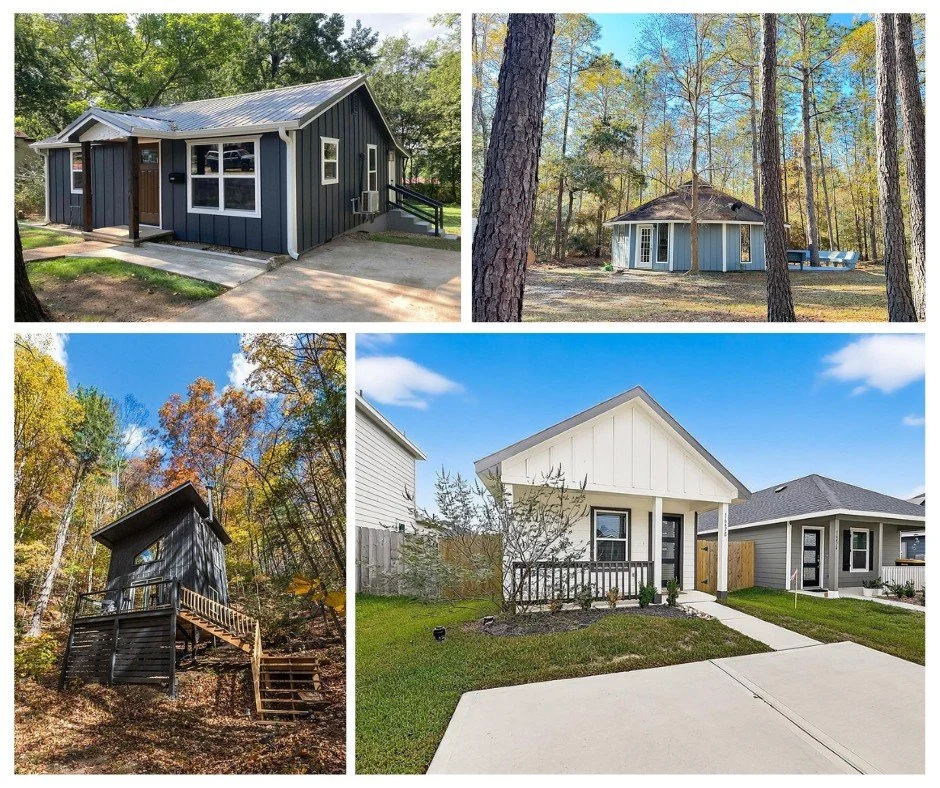
Tiny home with land properties for sale featured on Tiny Haus Life,
If you’ve been scrolling through tiny home groups lately, you’ve probably seen the warning: "Tiny homes don't appreciate; they're just like cars."
In 2026, that statement is only half true. If your home is on wheels, it’s personal property (chattel). But if you are building a Tiny Home on a Foundation (THOF), you are playing a completely different financial game.
To a bank and a real estate appraiser, a tiny home on a permanent foundation is Real Estate. Here is how the appraisal process works in 2026 and how to make sure your investment grows.
1. The "Real Property" Threshold
In 2026, Fannie Mae and Freddie Mac have updated their guidelines for "Alternative Housing." To get a traditional appraisal that builds equity, your home must generally meet three criteria:
Permanent Foundation: It must be physically attached to the land (slab, piers, or crawlspace).
Deeded Land: You must own the dirt. You cannot build real equity on rented land or in most mobile home parks.
Minimum Square Footage: While many "No-Code" counties allow 200 sq. ft., most national lenders still look for a minimum of 400 sq. ft. to qualify for a standard residential appraisal.
2. The "Comps" Problem (And How I Solve It)
An appraiser determines value based on "Comparables" (Comps)—similar homes sold nearby in the last 6 months. In the past, finding tiny home comps was impossible.
The 2026 Shift: Appraisers are now allowed to use "ADUs" (Accessory Dwelling Units) and Modern Prefab Cabins as comparable sales. This has stabilized tiny home values in states like Florida, North Carolina, and Texas.
3. How to "Appraisal-Proof" Your Build
If you want your tiny home to be worth more in five years than it is today, you need to focus on Marketability.
Stick to HUD or IRC Codes: Homes built to these standards are much easier for appraisers to value.
Invest in "Permanent" Infrastructure: A paved driveway, professional landscaping, and a high-end septic system add "Site Value" that appraisers love.
Document Everything: Keep your foundation permits and utility receipts. This is the "paper trail" of your equity.
🗝️ The Concierge Advantage: I Source for Equity
I don't put "depreciating assets" in the Vault. When I vet a House + Land Package, I am looking for properties that meet the 2026 Lending Standards.
My goal is to find you a home that doesn't just house you—it builds your net worth.
Ready to see the listings that actually hold their value?
👉 Unlock the Equity-Ready Vault ($1.99/mo)
👉 VIP Membership: Get a Custom Appraisal-Search in Your State ($4.99/mo)